Dr. Hamid Shahanaghi
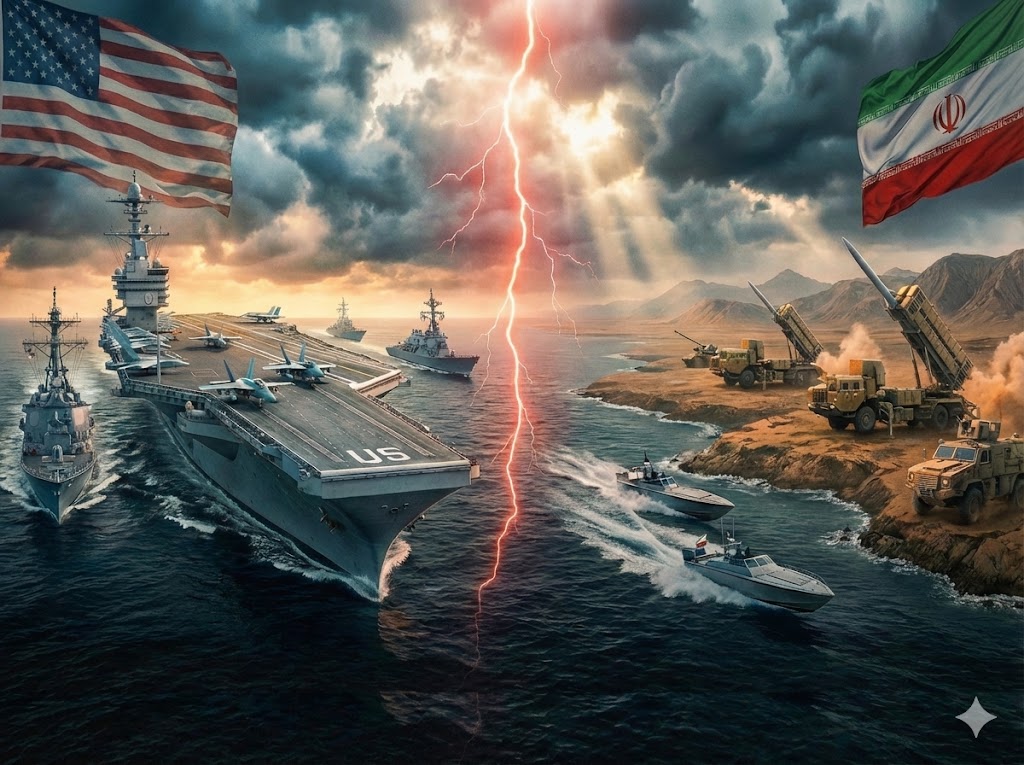
The economic consequences of a full-scale military confrontation between Iran and the United States cannot be reduced to short-term fluctuations in stock markets or sudden spikes in exchange rates. From a political economy perspective, such an event signifies a profound transformation in power structures, patterns of resource allocation, and the functioning of economic institutions at both national and regional levels. Within this framework, the central issue is not the “intensification of sanctions,” but rather the transition from an economy under sanctions to a war economy. In this transition, the logic of economic decision-making shifts away from development and welfare toward survival, the provision of military logistics, and the management of scarcity.
The Iranian economy is already operating under severe constraints imposed by sanctions; however, war fundamentally alters the nature of this pressure. In a sanctions economy, the primary challenge lies in restricted access to resources and markets, whereas in a war economy the physical destruction of infrastructure becomes the core of the crisis. Oil and natural gas, which constitute the main arteries of Iran’s domestic energy supply and foreign exchange earnings, would become direct targets in such a scenario. Damage to refineries, petrochemical complexes, and export terminals would not only halt energy exports but also severely disrupt domestic fuel and electricity distribution networks. The immediate consequences would include widespread energy outages for industry, the shutdown of factories, and the collapse of domestic supply chains.
At the same time, the psychological shock triggered by the outbreak of war would intensify precautionary and panic-driven behavior in markets. Demand for converting assets into safe currencies and capital outflows would surge. The state, in turn, would be compelled to monetize its budget deficit to finance escalating military expenditures. The combination of rapid liquidity growth with a sharp contraction in the supply of goods and services would create fertile ground for hyperinflation. Under such conditions, the economy would quickly move toward rationing systems and coupon-based distribution of basic consumer goods; although reminiscent of past periods, this would occur with far greater intensity and complexity. Widespread price controls would inevitably fuel the expansion of black markets and strengthen informal networks. Gaining access to scarce goods would grant these networks significant economic, and even political power, the effects of which could persist long after the end of the war.
At the regional level, the Gulf, often described as the heart of the global energy system would exhibit the greatest sensitivity to such a conflict. The insecurity or closure of the Strait of Hormuz, through which roughly one-fifth of global oil consumption passes, would constitute a systemic shock to the world economy. A surge in oil prices to historically high levels might, at first glance, increase the nominal revenues of exporting countries; however, rising insurance and transportation costs, coupled with heightened investment uncertainty, would erode a substantial portion of these gains. Regional economies that in recent years have relied heavily on attracting foreign capital, large-scale infrastructure projects, and tourism would face capital flight and the postponement or suspension of major projects.
Within this context, Turkey occupies a far more complex and fragile position. Already grappling with chronic inflation and exchange rate volatility, the Turkish economy has limited capacity to absorb new external shocks. Turkey’s dependence on imported natural gas from Iran means that any disruption, whether due to infrastructure damage or Iran’s prioritization of domestic consumption could trigger a serious energy crisis in industry and even in residential heating. Moreover, increases in global oil and gas prices would widen Turkey’s trade deficit as a net energy importer, placing intense pressure on the Turkish lira.
War would also weaken Turkey’s commercial and transit links. Iran represents both an important export market for Turkish goods and a key corridor connecting Turkey to Central Asia. The insecurity of this route would narrow export markets while simultaneously disrupting Turkey’s access to eastern economies. Nevertheless, for Turkey the most costly consequences would likely emerge in the realm of political economy and social stability. A large-scale war could generate a new wave of migration toward Iran’s western borders. Turkey, already hosting millions of Syrian refugees, lacks the social and economic capacity to absorb another massive influx. Pressure on labor and housing markets, rising social tensions, and the strengthening of extreme nationalist tendencies could seriously threaten the country’s political and economic stability. When combined with declining tourism revenues and reduced foreign investment due to increased perceived country risk, one of Turkey’s most vital sources of foreign exchange would be significantly weakened.
In conclusion, from a political economy standpoint, a military conflict between Iran and the United States constitutes a negative-sum game for all regional actors. Iran would face the risk of infrastructural devastation and a profound setback in its development trajectory; Turkey would confront a multidimensional crisis at the intersection of energy insecurity and migration; and the Gulf states, despite the possibility of higher oil revenues, would risk losing investment security and their ambitions to become global hubs for trade and tourism. In modern war economies, victory is not determined by the magnitude of damage inflicted on the adversary, but by the resilience of economic structures in absorbing deep and successive shocks—a criterion that, under such a scenario, would be seriously called into question for most actors in the region.