PEZESHKIAN IN THE BALANCE OF THE GORBACHEV MODEL AND THE STRUCTURAL ENTROPY OF THE ISLAMIC REPUBLIC

Political transformation in ideological authoritarian systems tends to crystallize at moments when economic crisis and social blockage converge, pushing the rift between the ruling structure and society to a breaking point. Under such conditions, the emergence of figures who promise reform from within raises fundamental questions about whether structural change is possible without regime collapse. Mikhail Gorbachev, the last leader of the Soviet Union, remains the quintessential symbol of an attempted systemic renewal that ultimately resulted in the dissolution of the very system it sought to save.
Digital Repression and the Future of Civil Resistance in Iran
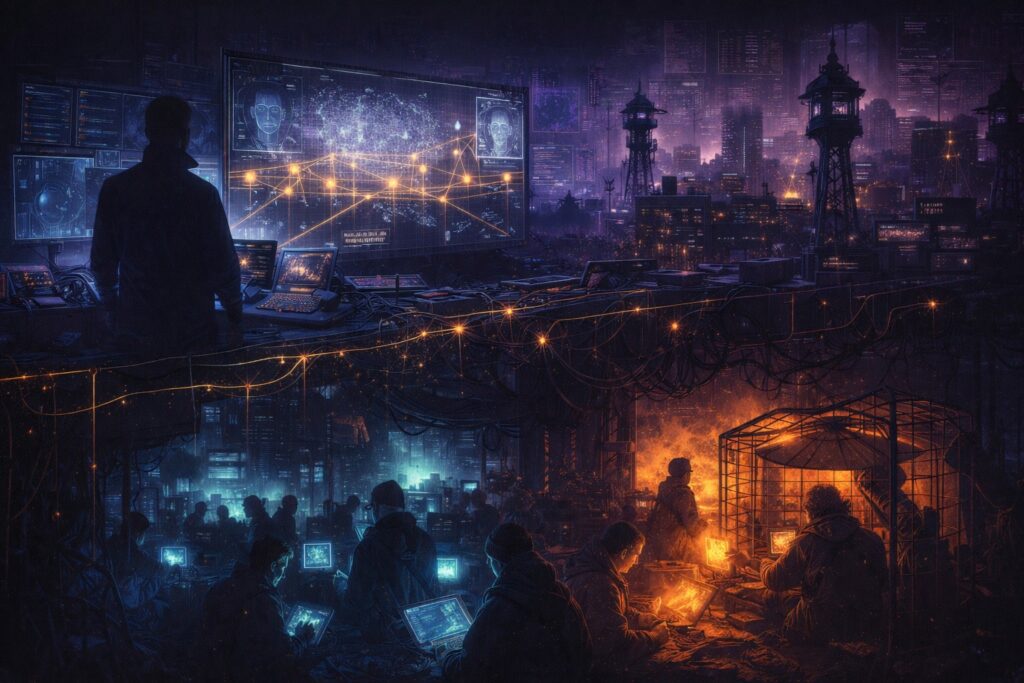
The paradigmatic shift in the Islamic Republic of Iran’s digital governance between 2024 and 2026 indicates a transition from “reactive censorship” to “structural and preemptive authoritarianism.” This process, designed to achieve “absolute cyber sovereignty,” has moved beyond simple website blocking toward redesigning the National Information Network (NIN) architecture and leveraging Artificial Intelligence for biometric surveillance. In this framework, the internet is no longer defined as a public utility, but as a state privilege where access is classified based on social standing, political loyalty, and security imperatives. This policy document examines the technical, legal, economic, and social dimensions of this transformation and offers strategies for resistance.