IRAN’S ECONOMIC FREE ZONES AND THE FAILURE OF DEVELOPMENT IN SOUTH AZERBAIJAN
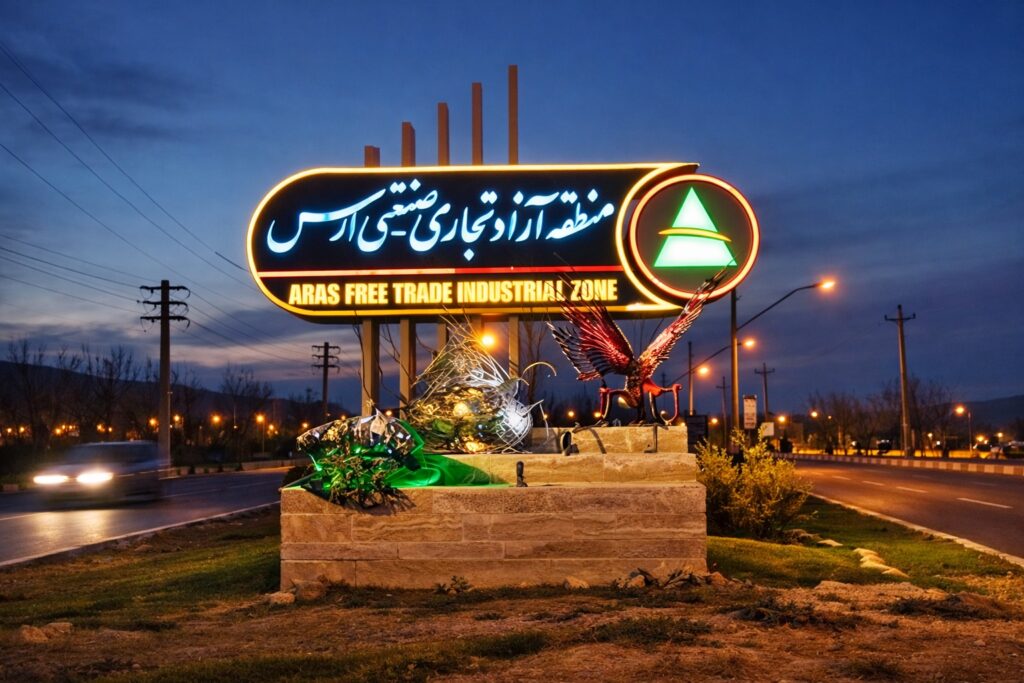
Economic development in developing countries, particularly those governed by rentier and centralized structures, has always faced fundamental challenges regarding the fair distribution of resources and opportunities. Within Iran’s political geography, these challenges transcend conventional economic inequalities, becoming intertwined with complex layers of ethnic discrimination, the securitization of space, and “internal colonialism” approaches. The Aras and Maku Free Trade-Industrial Zones, located in the heart of South Azerbaijan, are stark examples of the contradiction between the regime’s development-oriented slogans and the exploitative, controlling realities on the ground. Utilizing theoretical frameworks from political economy and the sociology of development, this analytical report seeks to deeply examine the failure of these two regions in achieving sustainable development goals and the reasons they have transformed into tools for reproducing central dominance over the periphery.
A STRATEGIC EXAMINATION OF THE SUBURBANIZATION (MARGINALIZATION) CRISIS IN THE METROPOLIS OF TABRIZ
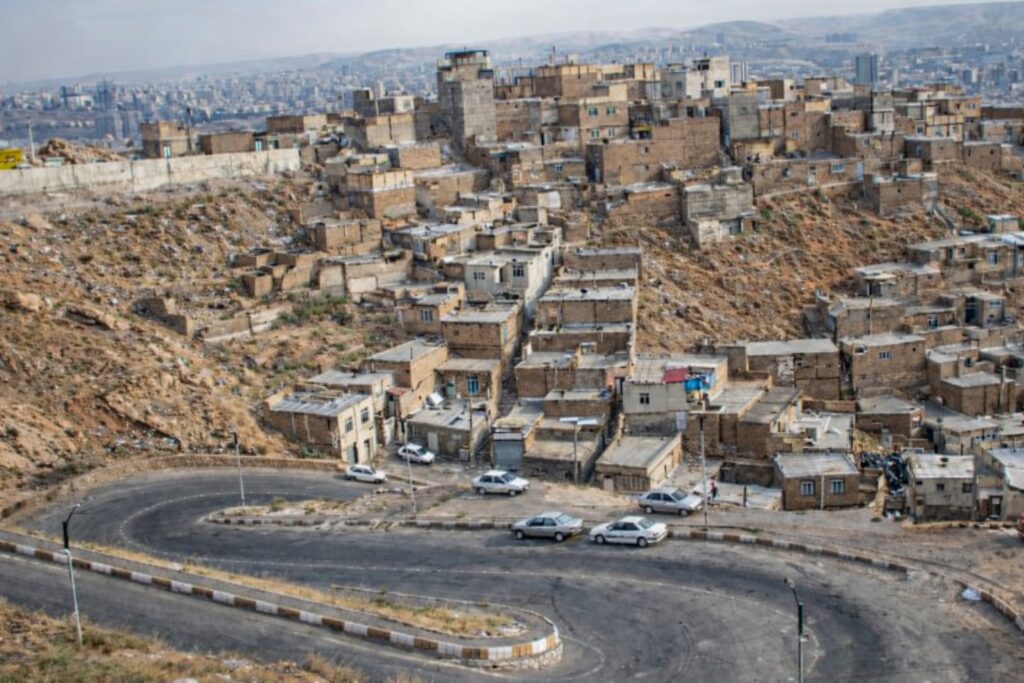
The issue of suburbanization (marginal settlement) in the metropolis of Tabriz is not merely a physical and urban challenge; rather, it stands as one of the most complex strategic knots within the political and social geography of Southern Azerbaijan. Tabriz, as the economic and cultural hub of the region, is today grappling with a phenomenon that has placed nearly half of its population in a condition of existential suspension and structural instability. This report, adopting a sociological and strategic approach, undertakes an in-depth analysis of the roots of this phenomenon, the dimensions of seismic vulnerability risks, and an assessment of the effectiveness of government policies in addressing this crisis.