BAKU IN THE AGE OF GEOECONOMIC WARS AND THE MULTIPOLAR ORDER
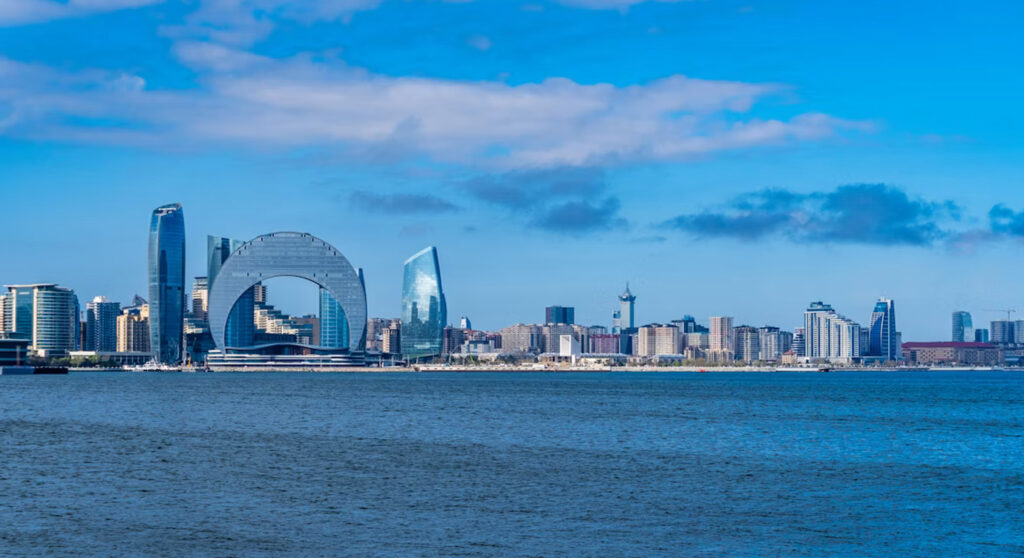
The “Global Risks Report 2026” published by the World Economic Forum portrays a world that has entered an “age of competition”; a world in which multilateralism is weakening and states are competing more aggressively than ever through economic, technological, and security instruments in order to expand their influence.
When we read this report from the perspective of Azerbaijan, it becomes clear that Baku stands at the very center of many of the developments highlighted in the report: geoeconomic wars, energy competition, crises over transportation corridors, regional tensions, and the redefinition of the balance of power in Eurasia.
In fact, the world described in the WEF report is precisely the world in which Azerbaijan has been rapidly consolidating its position in recent years.
MULTILINGUALISM AND THE POSSIBILITY OF A COMMON TURKISH LANGUAGE IN FUTURE IRAN
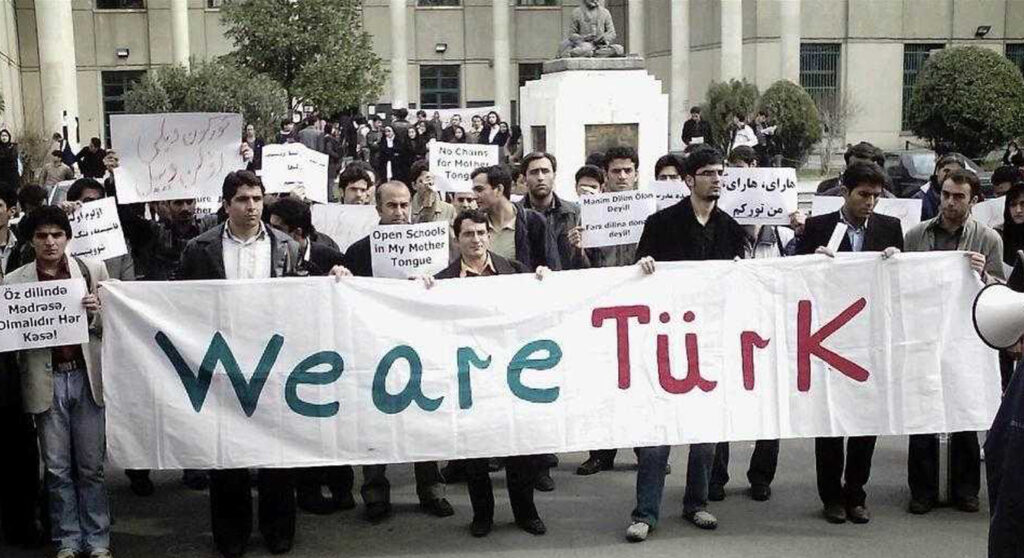
This assessment examines the linguistic geography of the Turkish communities living within Iran’s borders and the possibility of establishing a common standard Turkish language among these communities. Although the Turkish presence in Iran is generally confined to the region of South Azerbaijan, the actual picture points to a vast linguistic continuum extending from Hamadan to Fars Province, and from Khorasan to Turkmen Sahra. By comparing the structural proximity among existing dialects with the standardization experience of Persian, this article discusses the potential role Turkish could assume as a language of public representation and education in a possible future democratization process.
THE STRATEGIC TRANSFORMATION OF TRADE, ENERGY, AND FINANCIAL RELATIONS BETWEEN TÜRKİYE AND IRAN UNDER THE SHADOW OF THE IRAN-WEST WAR
The “Operation Epic Fury,” launched on February 28, 2026, by the coalition of the United States and Israel against Iran’s military and nuclear facilities, has fundamentally reshaped the political-economic map of the Middle East. This conflict is not merely a regional military engagement; it also represents a systemic rupture point in which global energy supply security, international trade routes, and regional capital flows have been reconfigured. The process that began with Iran’s declaration on March 4, 2026, that it would close the Strait of Hormuz has dragged the global economy into a stagflationary spiral reminiscent of the oil shocks of the 1970s. Consequently, the nature of bilateral economic relations between Türkiye and Iran has evolved into a security-oriented model of mutual interdependence.