THE STRATEGIC TRANSFORMATION OF TRADE, ENERGY, AND FINANCIAL RELATIONS BETWEEN TÜRKİYE AND IRAN UNDER THE SHADOW OF THE IRAN-WEST WAR
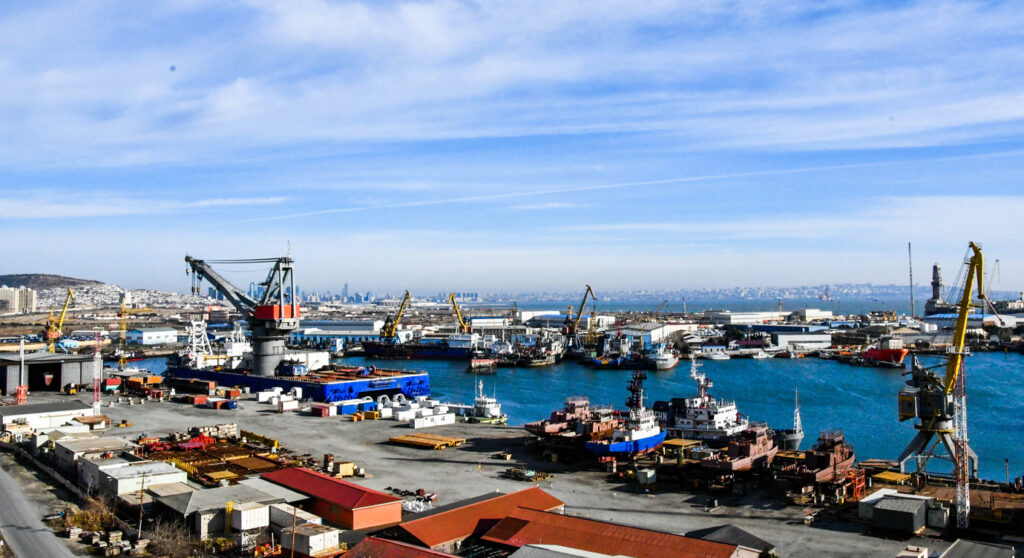
The “Operation Epic Fury,” launched on February 28, 2026, by the coalition of the United States and Israel against Iran’s military and nuclear facilities, has fundamentally reshaped the political-economic map of the Middle East. This conflict is not merely a regional military engagement; it also represents a systemic rupture point in which global energy supply security, international trade routes, and regional capital flows have been reconfigured. The process that began with Iran’s declaration on March 4, 2026, that it would close the Strait of Hormuz has dragged the global economy into a stagflationary spiral reminiscent of the oil shocks of the 1970s. Consequently, the nature of bilateral economic relations between Türkiye and Iran has evolved into a security-oriented model of mutual interdependence.
IRAN’S ECONOMIC FREE ZONES AND THE FAILURE OF DEVELOPMENT IN SOUTH AZERBAIJAN
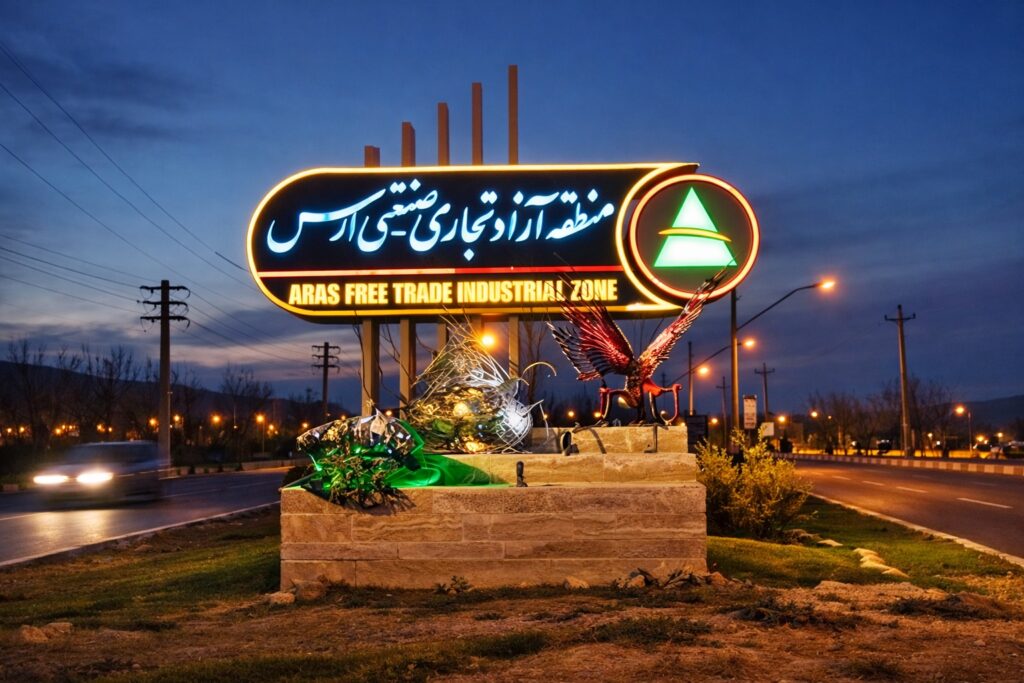
Economic development in developing countries, particularly those governed by rentier and centralized structures, has always faced fundamental challenges regarding the fair distribution of resources and opportunities. Within Iran’s political geography, these challenges transcend conventional economic inequalities, becoming intertwined with complex layers of ethnic discrimination, the securitization of space, and “internal colonialism” approaches. The Aras and Maku Free Trade-Industrial Zones, located in the heart of South Azerbaijan, are stark examples of the contradiction between the regime’s development-oriented slogans and the exploitative, controlling realities on the ground. Utilizing theoretical frameworks from political economy and the sociology of development, this analytical report seeks to deeply examine the failure of these two regions in achieving sustainable development goals and the reasons they have transformed into tools for reproducing central dominance over the periphery.