TRANSATLANTIC DIVERGENCE IN THE IRANIAN ISSUE:TEMPORARY TENSION OR STRUCTURAL DIFFERENTIATION?
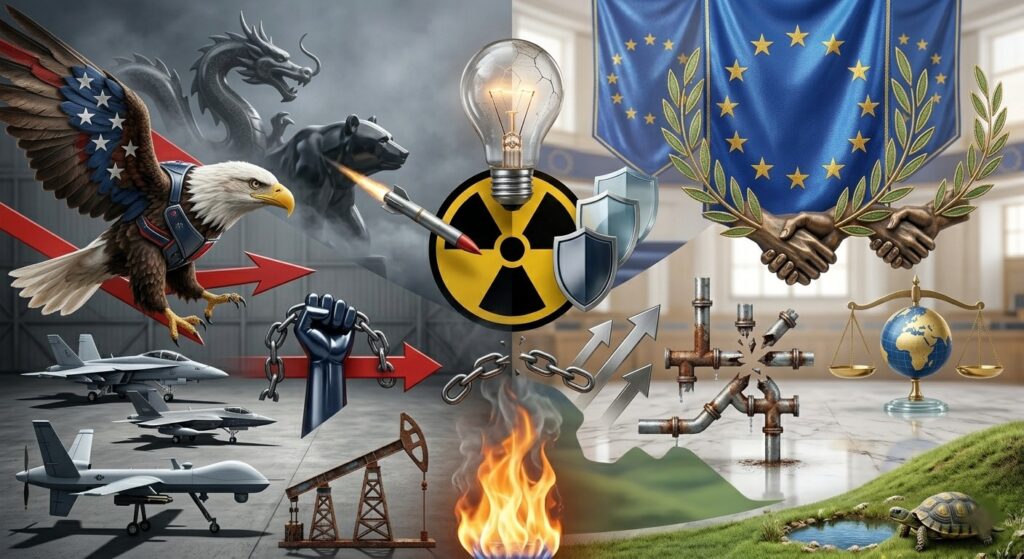
Geopolitical developments in the Middle East in 2026, particularly the rising tensions surrounding Iran and the disruptions to maritime transport in the Strait of Hormuz, have brought one of the most significant fractures within the Western world back into view: the transatlantic divergence between the United States and the European Union. Although these two actors have generally adopted a common stance on many security issues within the framework of their traditional alliance, significant differences in approach, instruments, and priorities regarding Iran are emerging.
The Iranian issue, especially concerning its nuclear program and regional role, holds strategic importance for both sides. However, what distinguishes this issue in 2026 is not merely the nature of the threat but also the form of response to it. The United States, particularly within the framework of its “maximum pressure” policy, aims to rapidly and decisively constrain Iran through a combination of economic and military instruments. In contrast, the European Union emphasizes the continuation of diplomacy, negotiation, and the gradual management of the crisis, avoiding an escalation of tension that could entail direct economic and security costs for the continent.