A STRATEGIC EXAMINATION OF THE SUBURBANIZATION (MARGINALIZATION) CRISIS IN THE METROPOLIS OF TABRIZ
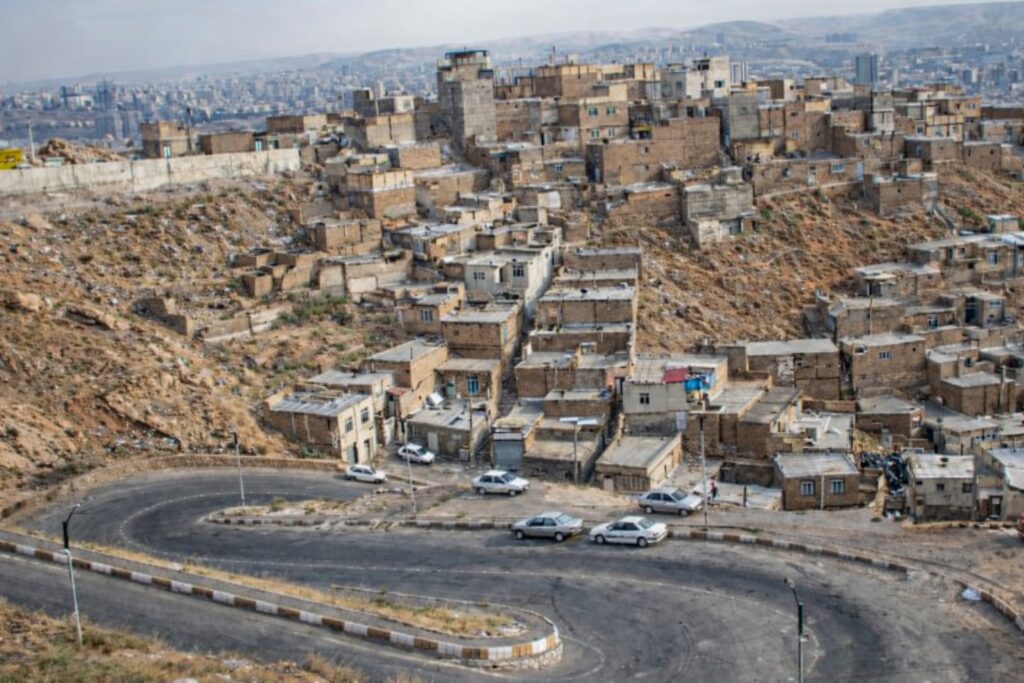
The issue of suburbanization (marginal settlement) in the metropolis of Tabriz is not merely a physical and urban challenge; rather, it stands as one of the most complex strategic knots within the political and social geography of Southern Azerbaijan. Tabriz, as the economic and cultural hub of the region, is today grappling with a phenomenon that has placed nearly half of its population in a condition of existential suspension and structural instability. This report, adopting a sociological and strategic approach, undertakes an in-depth analysis of the roots of this phenomenon, the dimensions of seismic vulnerability risks, and an assessment of the effectiveness of government policies in addressing this crisis.
THE STRATEGIC MISTAKE OF “LEADERSHIP MYOPIA IN TIMES OF CRISIS” IN THE JANUARY 2026 EVENTS

The outbreak of nationwide protests in Iran in January 2026, beyond being a social movement, constituted a concrete manifesto of the failure of the governance paradigm based on “strategic myopia.” In the crisis management literature, this concept refers to the cognitive gap between an organization’s established routines and the dynamic realities of its environment, which causes leaders to insist on obsolete strategies instead of adapting. In the events of January 2026, Ali Khamenei, with an excessive focus on short-term survival, proved incapable of understanding the structural collapse of the system and, by insisting on the model of naked repression and “leadership myopia,” destroyed the remaining legitimacy. This analysis examines this strategic error and its consequences.
NEW PROTESTS IN IRAN; A WEARY SOCIETY AND A CHANGING WORLD
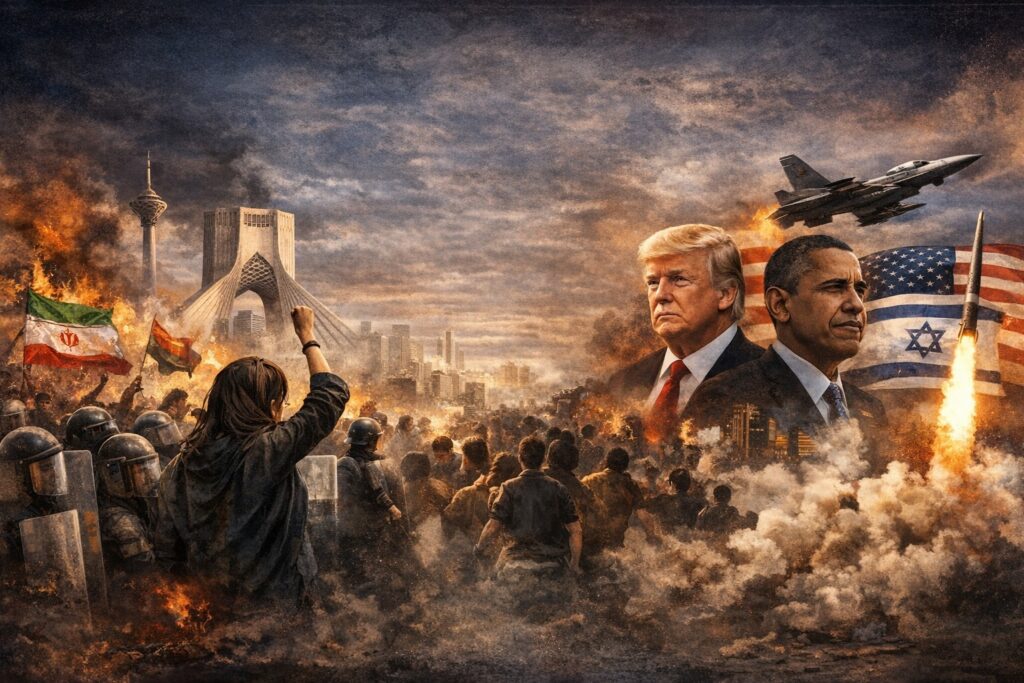
It is not possible to view the recent protests in Iran merely as a repetition of previous waves of discontent. What is visible today in the streets, on social networks, and even in the meaningful silences of society is the product of the intersection of three simultaneous crises: chronic economic erosion, the collapse of political trust, and the feeling of being caught in the midst of geopolitical storms. This combination distinguishes the new protests from the 2022 (1401) uprising—not only in terms of demands, but also in terms of collective mood and the horizon of expectations.
ANALYSIS OF ECONOMIC STRUCTURAL PARALYSIS AND THE ACTIVATION OF PERIPHERAL FAULT LINES

Developments in 2026 point to an unprecedented convergence of accumulated crises in Iran. This situation has not only subjected the country’s monetary and fiscal system, but also its territorial integrity and the institutional legitimacy of governance, to an ontological challenge. The current condition goes beyond a cyclical fluctuation; it reflects a state of “polycrisis” in which macroeconomic indicators intersect with identity tensions in peripheral regions and push the state’s governing capacity to the point of collapse. This report examines, through a dialectical approach, the two main driving forces behind this breakdown: “economic structural paralysis” resulting from the institutionalization of parallel systems, and “ethnic fault lines” triggered by decades of systematic discrimination, and analyzes the scenarios facing this political entity.