FROM REGIONAL WAR TO GLOBAL CHAOS; THE FINAL SCENARIOS OF THE WAR
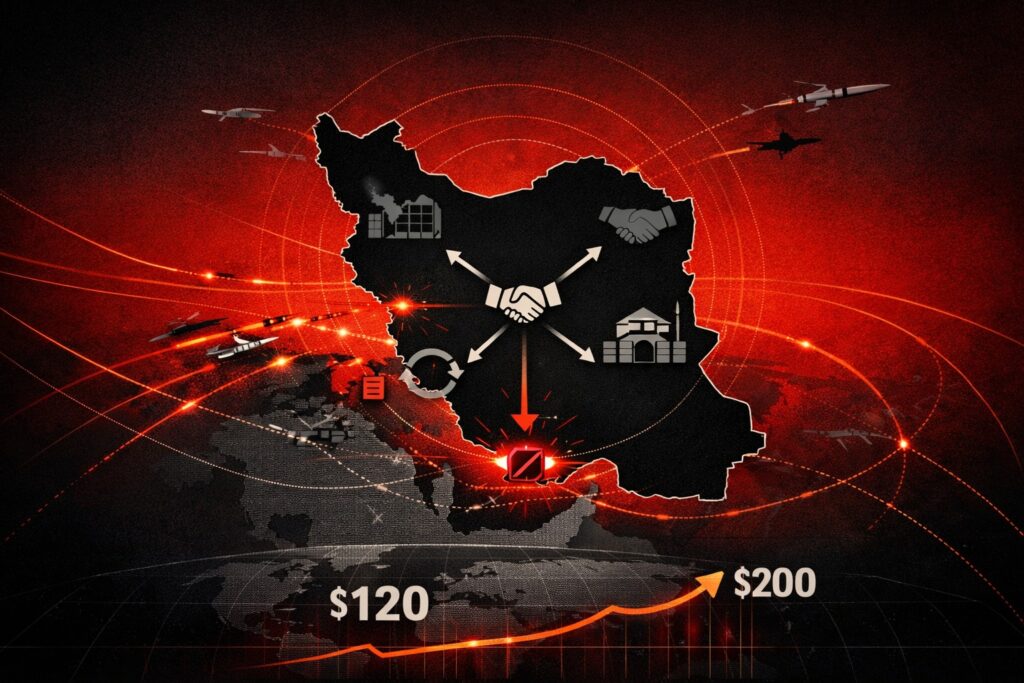
The military crisis that began on February 28, 2026, with the US-led “Operation Epic Fury” and Israel’s “Operation Roaring Lion,” transcends a limited conflict, representing the culmination of 47 years of confrontation between the Islamic Republic and the Western bloc. This war is a direct product of the failure of diplomatic efforts in 2025; the Muscat and Rome negotiations demonstrated that the gap between Washington’s insistence on the complete dismantlement of uranium enrichment and Tehran’s demand for the lifting of sanctions was unbridgeable. Developments on the ground indicate that the widespread protests in Iran during December 2025 and January 2026 transformed the White House’s calculations from an “arms control operation” into a “political engineering project”; as Trump, observing the depth of discontent, concluded that the regime was in its most precarious historical state.
IRAN ON THE VERGE OF RUPTURE; STRUCTURAL DIVERGENCE AND THE BALKANIZATION PUZZLE
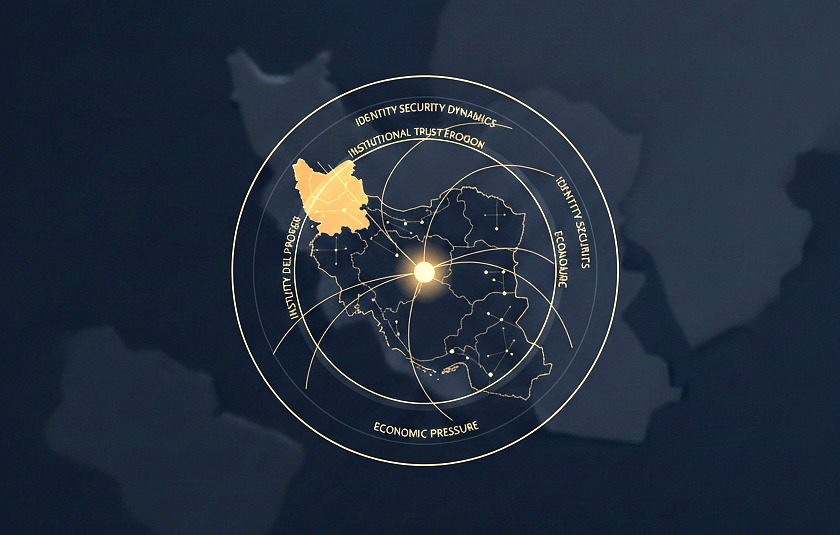
Iran’s internal developments in the mid-2020s cannot be explained solely by economic indicators or the usual cycles of political discontent. What is gradually taking shape is a complex product of economic pressure, erosion of institutional trust, and above all the accumulated fault lines in the realm of identity security. In this framework, “structural divergence” refers to the gradual distancing of development trajectories, political representation, and cultural reproduction in peripheral regions from the decision-making center in Tehran. The process has not yet reached a breaking point, but its signals are observable at multiple levels.
THE HIDDEN CONSEQUENCES OF AN IRAN–U.S. WAR FOR IRAN, TURKEY, AND GLOBAL ENERGY
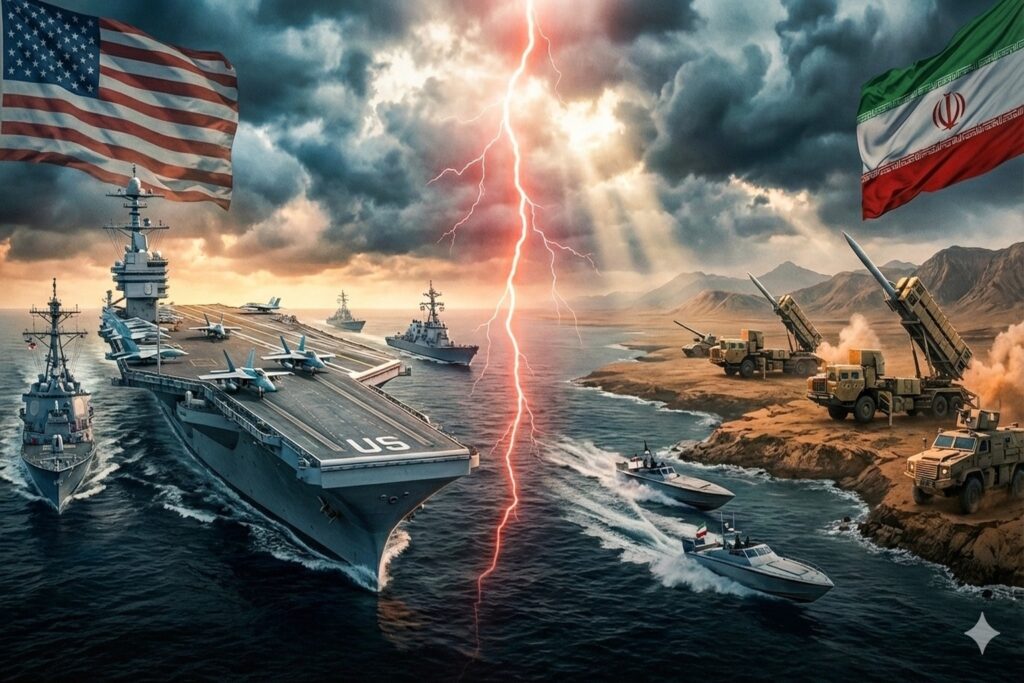
The economic consequences of a full-scale military confrontation between Iran and the United States cannot be reduced to short-term fluctuations in stock markets or sudden spikes in exchange rates. From a political economy perspective, such an event signifies a profound transformation in power structures, patterns of resource allocation, and the functioning of economic institutions at both national and regional levels. Within this framework, the central issue is not the “intensification of sanctions,” but rather the transition from an economy under sanctions to a war economy. In this transition, the logic of economic decision-making shifts away from development and welfare toward survival, the provision of military logistics, and the management of scarcity.
“QIZIL SƏHİFƏLƏR”: THE FOUNDATIONAL MANIFESTO OF THE SOUTH AZERBAIJAN NATIONAL CONCEPT

The National Government established in South Azerbaijan between 1945 and 1946 represents not merely a regional political transformation, but also the first comprehensive process of state formation and identity construction of Azerbaijani Turkdom in the modern era. The most concrete and enduring intellectual legacy of this period is the work titled “Qızıl Səhifələr” (From the History of the Struggle of the Azerbaijani People on the Path of National Liberation), printed in 1946 at the “Elmiyye” printing house in Tabriz. Examined in depth by Dr. Pervane Memmedli, this work constitutes a vivid chronicle encompassing the political-journalistic legacy of Seyid Cafer Pişeveri, the founding leader of the National Government, the core programs of the Azerbaijan Democratic Party (ADP), and the people’s struggle for language, identity, and sovereignty. This report provides an in-depth analysis of the content of this work, its historical context, and its significance for South Azerbaijan strategic studies.
EARLY POLITICAL FORMATIONS IN SOUTH AZERBAIJAN
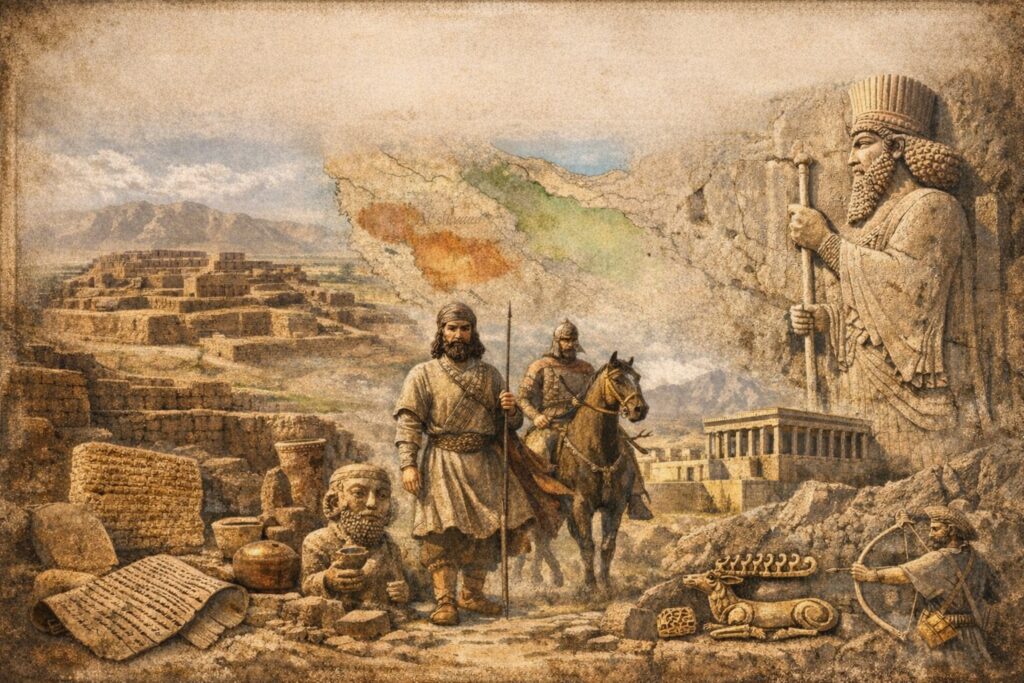
This study subjects the origins of early political figures and geographical centers, typically treated within the narrative of the “rise of the Persian Empire” in ancient Near Eastern historiography to a critical re-examination. Focusing on the Elamite identity of the city of Anshan (Tepe Malyan), the article questions conventional assumptions regarding the ethno-cultural affiliations of figures such as Teispes and Cyrus I. In light of archaeological evidence and primary cuneiform sources, it analyzes the historicity of the so-called “Achaemenid” genealogy, allegedly constructed under Darius I and the prevailing narratives that portray early rulers as ethnically Persian, while also engaging with alternative hypotheses that emphasize Eurasian steppe connections.
An Analysis of the Impact of “Kin-State” Victories on South Azerbaijan
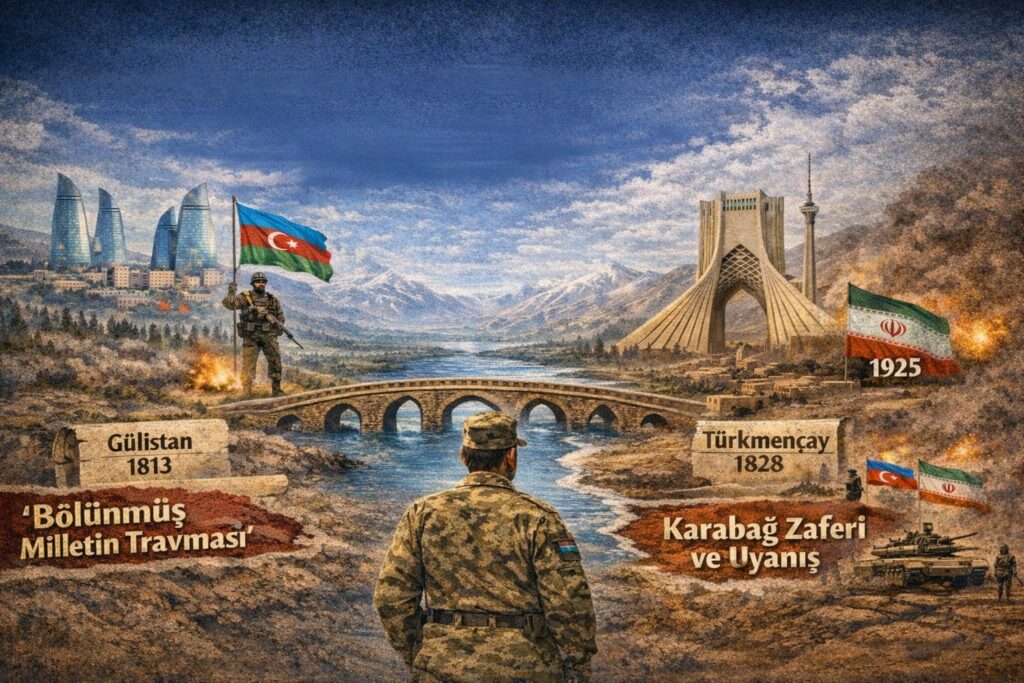
The military developments of 2020 and 2023 in the South Caucasus cannot be read merely as a territorial shift or a tactical victory for the Republic of Azerbaijan in the Karabakh War. These events have created an epistemological, identity-based, and political rupture in the collective consciousness of the Turks of South Azerbaijan—a rupture that has activated deeper layers of history, collective memory, nation-building policies in Iran, and the logic of power in Eurasia. From the perspective of the “Center for Strategic Studies of South Azerbaijan,” these developments must be understood as a quiet revolution in national consciousness; a revolution emerging not from the streets, but from battlefields, media, historical narratives, and the redefinition of the “nation-state” relationship.