Digital Repression and the Future of Civil Resistance in Iran
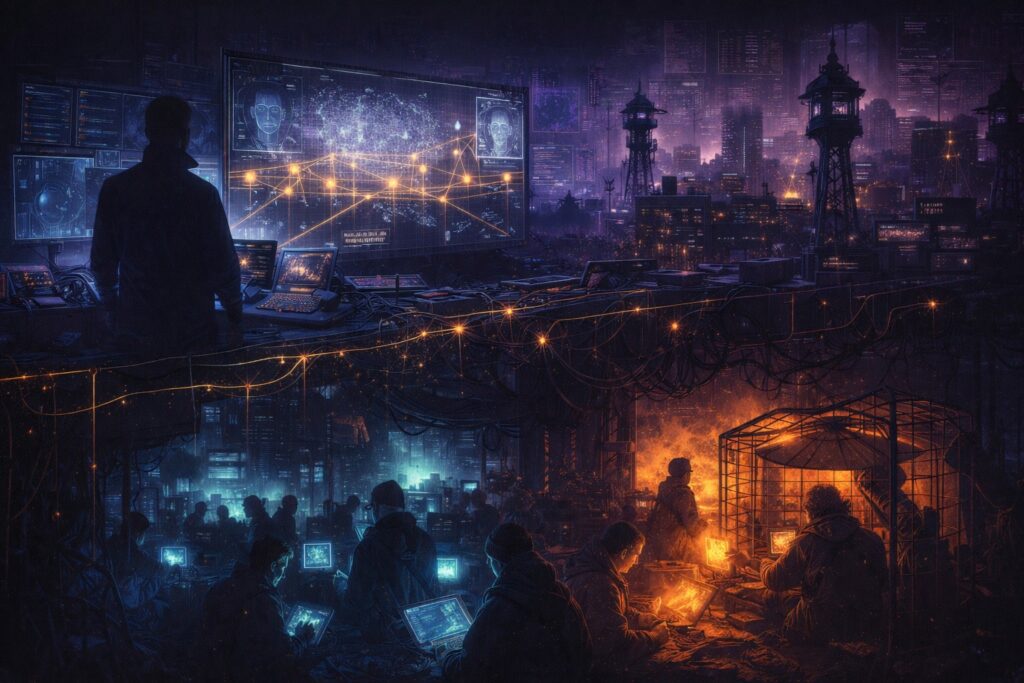
The paradigmatic shift in the Islamic Republic of Iran’s digital governance between 2024 and 2026 indicates a transition from “reactive censorship” to “structural and preemptive authoritarianism.” This process, designed to achieve “absolute cyber sovereignty,” has moved beyond simple website blocking toward redesigning the National Information Network (NIN) architecture and leveraging Artificial Intelligence for biometric surveillance. In this framework, the internet is no longer defined as a public utility, but as a state privilege where access is classified based on social standing, political loyalty, and security imperatives. This policy document examines the technical, legal, economic, and social dimensions of this transformation and offers strategies for resistance.
TRACTOR FC: THE GEOPOLITICAL IDENTITY STRONGHOLD OF SOUTH AZERBAIJAN
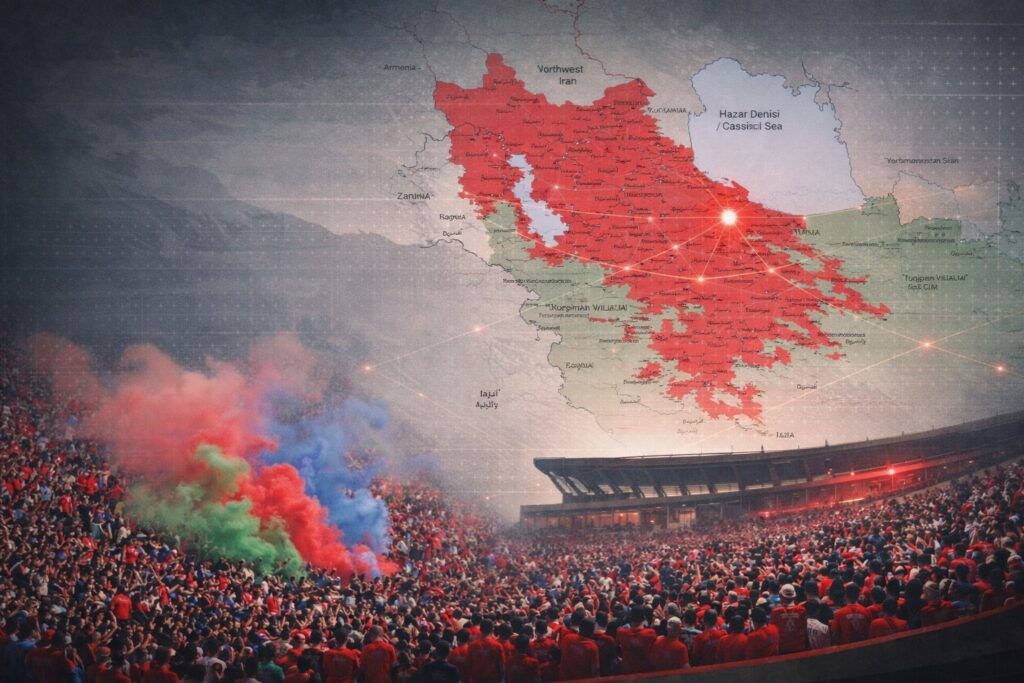
In modern political science and international relations, sport is no longer regarded merely as a field of entertainment or competition, but rather as one of the most powerful arenas for the expression of suppressed collective identities, political demands, and ethnic mobilization. In the northwestern region of the Islamic Republic of Iran known as South Azerbaijan, Tractor Football Club (formerly Tractor Sazi FC) has gone far beyond being a conventional football team and has become the “national” representative of a people and the principal platform of their civil rights struggle. Based in Tabriz, this club functions as a resistance anthem reflecting the collective will of a population of nearly 40 million against the centralist and Persian-centric assimilation policies pursued by the Iranian state for decades.
GAME-CHANGER” STRATEGY: IRAN’S GEOECONOMIC REPOSITIONING IN RESPONSE TO THE TRUMP 2.0 DOCTRINE AND THE ZANGEZUR CORRIDOR (TRIPP)
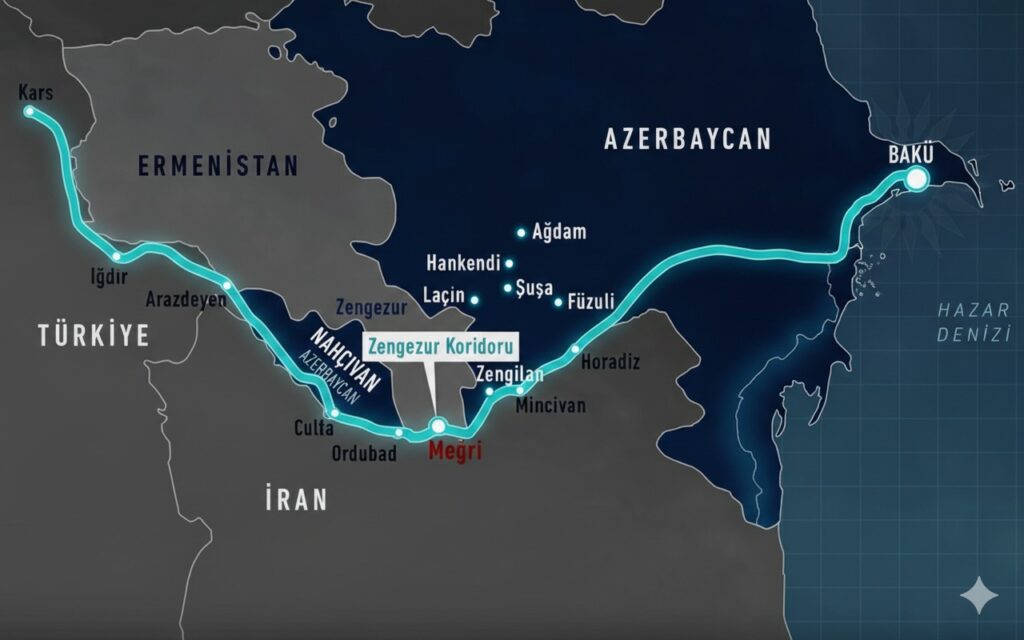
The re-election of Donald Trump as President of the United States in 2025, followed by the 12-day war between Iran and Israel, weakened Iran’s regional deterrence architecture and triggered a significant restructuring of the balance of power in the South Caucasus. In this context, the “Trump Route for International Peace and Prosperity” (TRIPP) agreement—brokered under U.S. auspices and signed between Armenia and Azerbaijan—has established the institutional foundation of a new geopolitical and geoeconomic order in the South Caucasus.
THE DOCTRINE OF THE ORGANIZATION OF TURKIC STATES AND SOUTHERN AZERBAIJAN
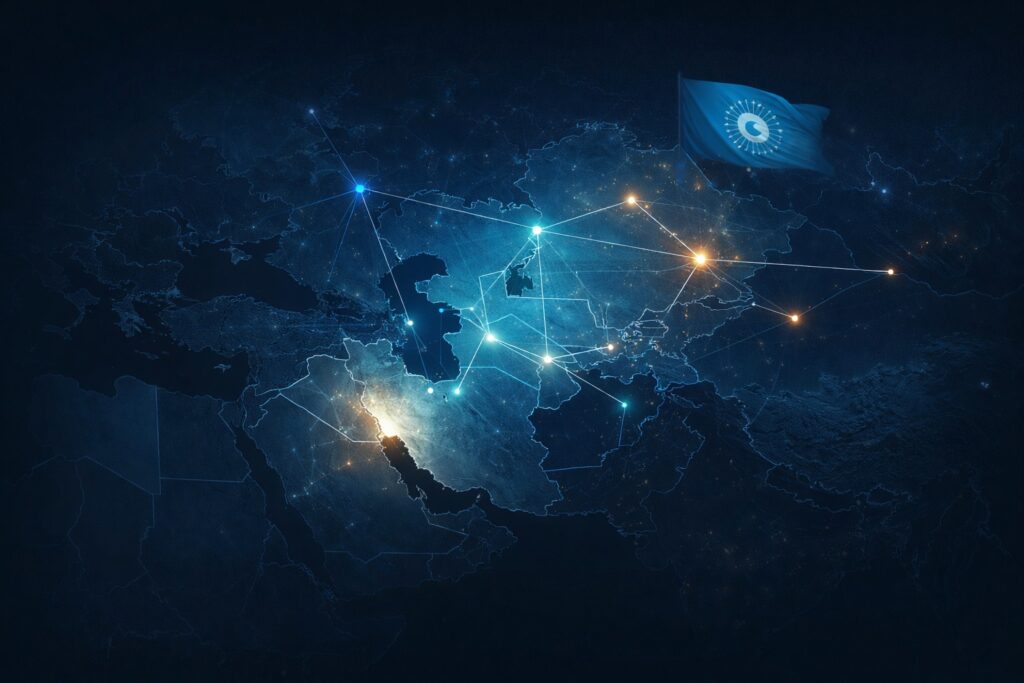
The power dynamics in the Eurasian region following the collapse of the Soviet Union have opened a new path for redefining national and regional identities. At the center of this lies the emergence of the Organization of Turkic States (OTS) as a rising power pole. Founded on linguistic, cultural, and historical commonalities, this organization has gradually transformed from a cultural consultative forum into an international institution with strategic, security, and defense dimensions. In this process, the issue of “South Azerbaijan,” referring to the Turkic-populated regions in the north and northwest of Iran, has become one of the most sensitive intersections of the OTS’s geopolitical interests and the national security of the Islamic Republic of Iran. A detailed analysis of the organization’s approaches reveals that the doctrine of “Turkic World Unity” does not necessarily stop at the political borders of member states but views “kin peoples” in neighboring countries, especially Iran, as part of the Turkic civilizational and identity sphere.
STRATEGIC EROSION OF FEAR AND THE COLLAPSE OF MENTAL AUTHORITY
In the field of political science and the sociology of power, “fear” has always been examined as one of the oldest and most complex instruments of rule. From ancient city-states to the totalitarian regimes of the 20th century and contemporary authoritarian systems, the creation of fear has functioned not only as a means of physical repression but as a grand strategy for survival in the absence of democratic legitimacy.
The Deadly Negotiation Trap: An Anatomy Of Trump’s Hybrid Pressure Strategy Against Iran In 2025
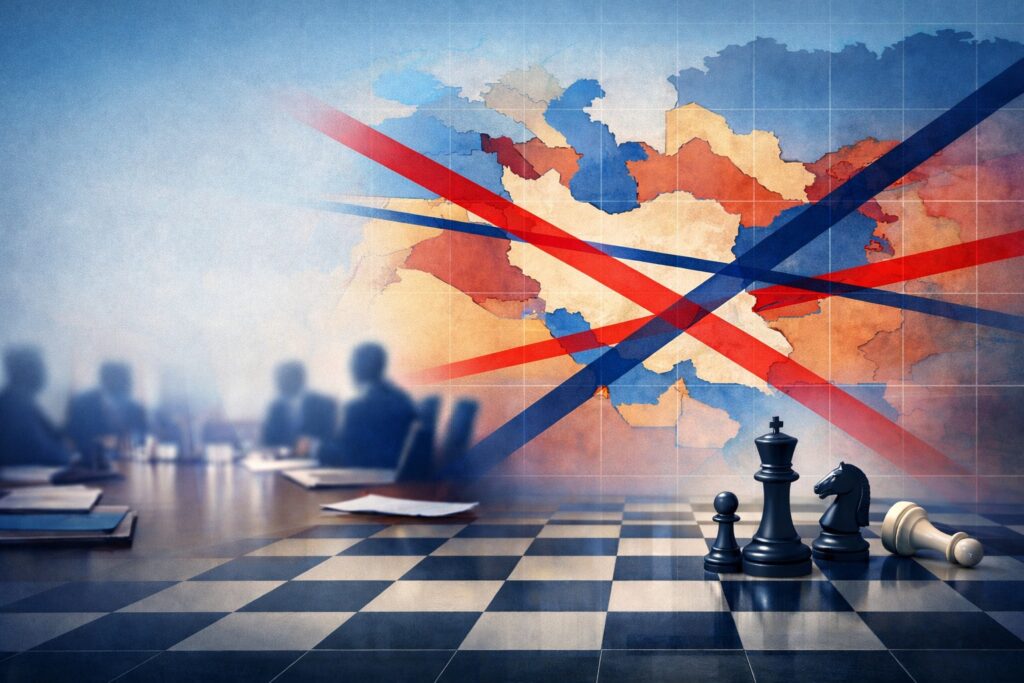
In the autumn of 2025, the Islamic Republic of Iran stands at a crossroads of unprecedented geopolitical pressure and existential threats in its forty-year history. Donald Trump’s return to the White House is not a temporary political event; it marks the starting point of a new security doctrine called “Project 2025,” which transforms Washington’s paradigm of confrontation with Tehran from “containment” to “structural change.
IRAN’S ECONOMIC FREE ZONES AND THE FAILURE OF DEVELOPMENT IN SOUTH AZERBAIJAN
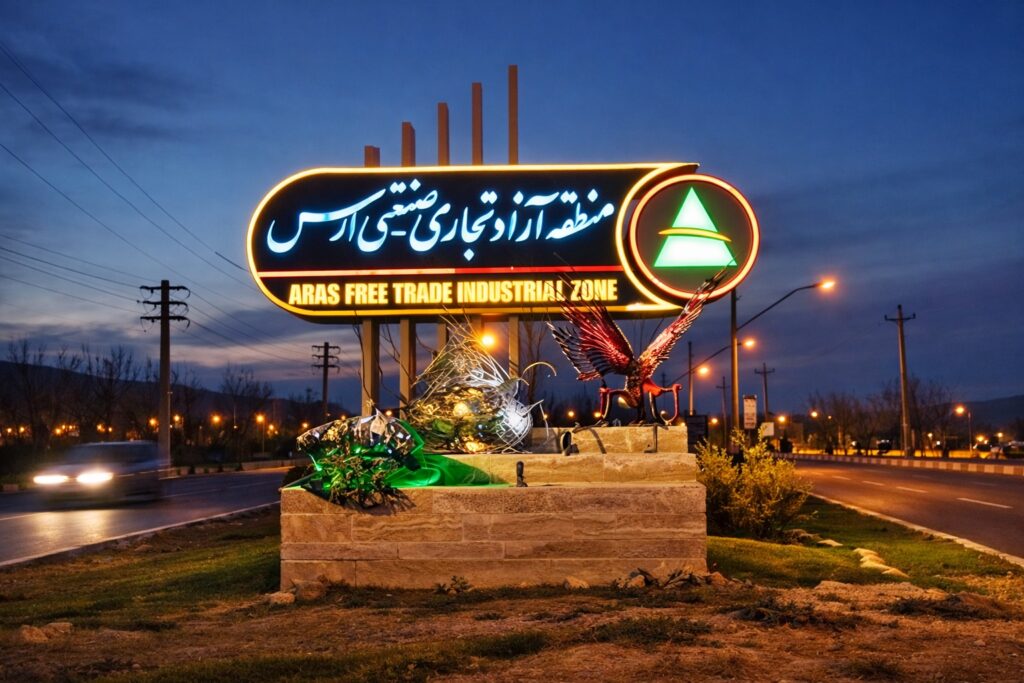
Economic development in developing countries, particularly those governed by rentier and centralized structures, has always faced fundamental challenges regarding the fair distribution of resources and opportunities. Within Iran’s political geography, these challenges transcend conventional economic inequalities, becoming intertwined with complex layers of ethnic discrimination, the securitization of space, and “internal colonialism” approaches. The Aras and Maku Free Trade-Industrial Zones, located in the heart of South Azerbaijan, are stark examples of the contradiction between the regime’s development-oriented slogans and the exploitative, controlling realities on the ground. Utilizing theoretical frameworks from political economy and the sociology of development, this analytical report seeks to deeply examine the failure of these two regions in achieving sustainable development goals and the reasons they have transformed into tools for reproducing central dominance over the periphery.
A STRATEGIC EXAMINATION OF THE SUBURBANIZATION (MARGINALIZATION) CRISIS IN THE METROPOLIS OF TABRIZ
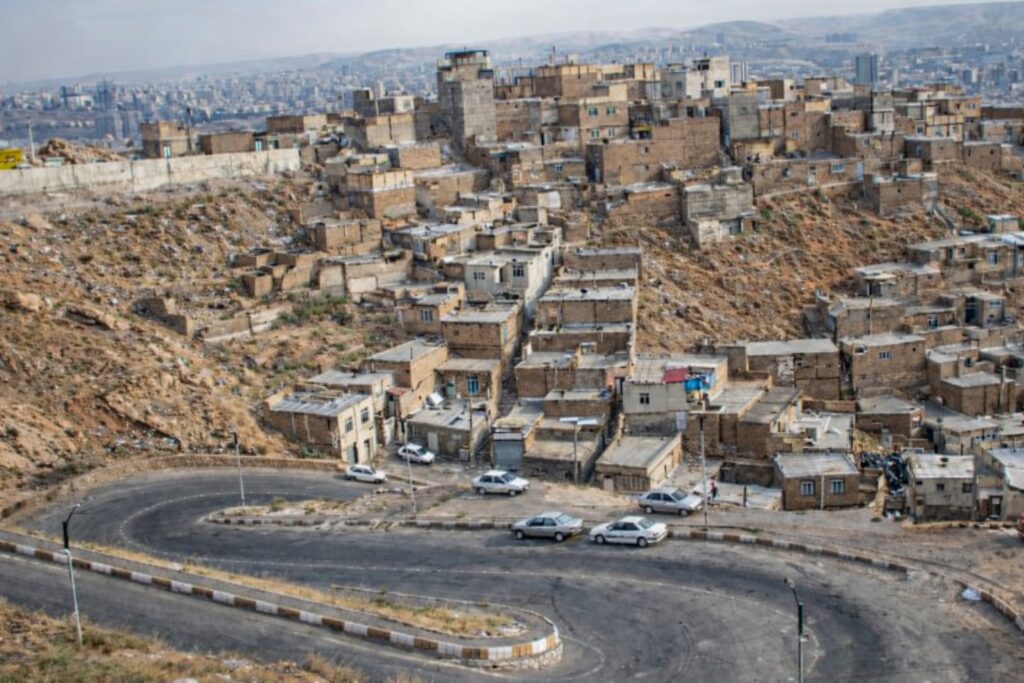
The issue of suburbanization (marginal settlement) in the metropolis of Tabriz is not merely a physical and urban challenge; rather, it stands as one of the most complex strategic knots within the political and social geography of Southern Azerbaijan. Tabriz, as the economic and cultural hub of the region, is today grappling with a phenomenon that has placed nearly half of its population in a condition of existential suspension and structural instability. This report, adopting a sociological and strategic approach, undertakes an in-depth analysis of the roots of this phenomenon, the dimensions of seismic vulnerability risks, and an assessment of the effectiveness of government policies in addressing this crisis.
THE STRATEGIC MISTAKE OF “LEADERSHIP MYOPIA IN TIMES OF CRISIS” IN THE JANUARY 2026 EVENTS

The outbreak of nationwide protests in Iran in January 2026, beyond being a social movement, constituted a concrete manifesto of the failure of the governance paradigm based on “strategic myopia.” In the crisis management literature, this concept refers to the cognitive gap between an organization’s established routines and the dynamic realities of its environment, which causes leaders to insist on obsolete strategies instead of adapting. In the events of January 2026, Ali Khamenei, with an excessive focus on short-term survival, proved incapable of understanding the structural collapse of the system and, by insisting on the model of naked repression and “leadership myopia,” destroyed the remaining legitimacy. This analysis examines this strategic error and its consequences.
NEW PROTESTS IN IRAN; A WEARY SOCIETY AND A CHANGING WORLD
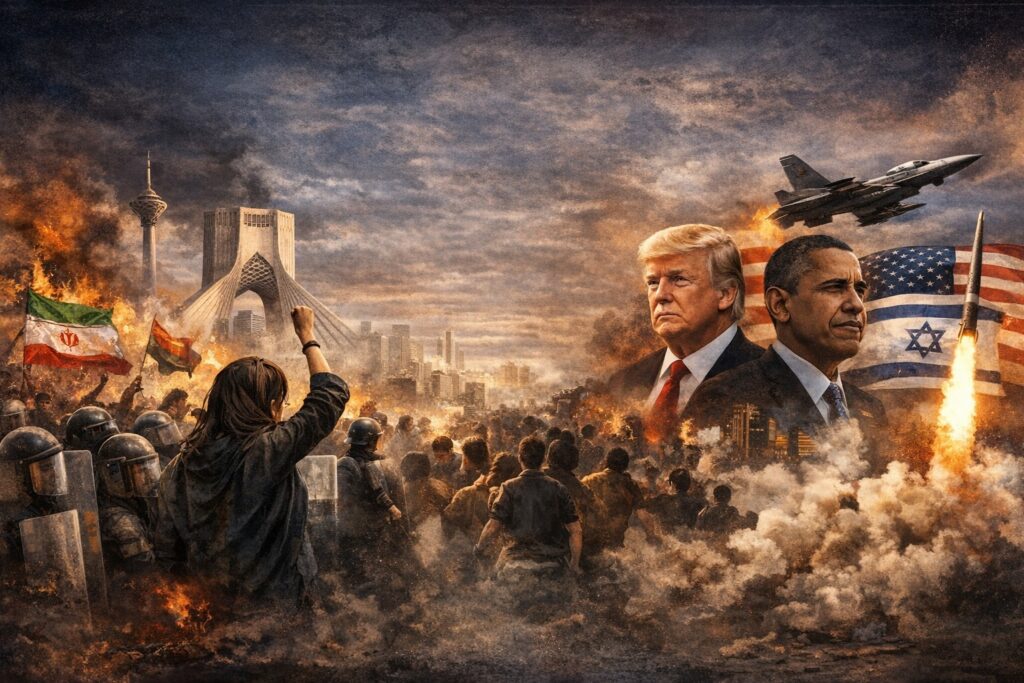
It is not possible to view the recent protests in Iran merely as a repetition of previous waves of discontent. What is visible today in the streets, on social networks, and even in the meaningful silences of society is the product of the intersection of three simultaneous crises: chronic economic erosion, the collapse of political trust, and the feeling of being caught in the midst of geopolitical storms. This combination distinguishes the new protests from the 2022 (1401) uprising—not only in terms of demands, but also in terms of collective mood and the horizon of expectations.